Pay Cash with Lofta
Simple self-pay home sleep test
Cash pay $189 sleep test

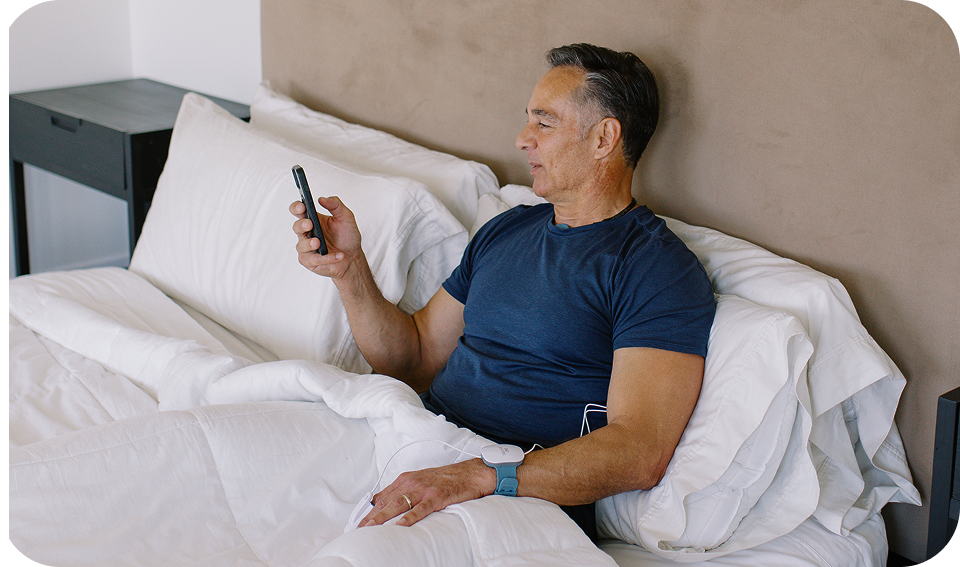
Snoring, restless nights, or daytime fatigue? Choose a cash-pay or insurance-based home sleep test. If diagnosed, Apria provides CPAP, supplies, and support.
.png)
Simple self-pay home sleep test
Cash pay $189 sleep test
You’re leaving Apria and going to Lofta.com.
Easy home sleep test with insurance
Insurance reimbursed sleep test

You’re leaving Apria and going to Ognomy.com.
You're now leaving Apria. We hope to see you again soon!
By clicking Continue, you will be connected with [provider].
Don't just take our word for it. Hear what our customers have to say about Apria Sleep Care®
“I was having issues with my new machine but I was instantly attended to. This company has been there for me.”
Annabel M.
“Working with Apria to get my CPAP went very smoothly, and I received it the next day.”
Stephen P.
“Their respiratory therapist is the absolute best. She was incredibly knowledgeable and ordered everything I needed.”
Lisa B.
“I've been using the CPAP machine for about 3 weeks now, and my sleep quality has improved tremendously. Apria Healthcare checks in on me regularly and is there to help me no matter what my issue or question may be.”
James N.
“I recently was put on oxygen, and the Apria staff was very helpful managing the process; very professional, I’m very grateful to have their services!”
Carmen L.
Sleep apnea happens when a person’s breathing stops or is interrupted during sleep. Apneic episodes can cause poor sleep, reduce the flow of oxygen to vital organs, and lead to serious health consequences.
More than 22 million Americans, and more than 100 million people worldwide suffer from it. The word “apnea” comes from the Greek word meaning “wanting breath.” Apneic periods typically repeat between 10 to 60 times per hour within a 7-hour night.
Yes. If untreated, sleep apnea can increase the risk of high blood pressure, heart disease, stroke, type 2 diabetes, and mood or memory problems.
A doctor may recommend a sleep study, which can be done at a sleep center or sometimes at home with a special testing device.
Yes. Treatments may include lifestyle changes, CPAP therapy (a device that helps keep your airway open at night), dental devices, or in some cases, surgery.
Staying consistent with treatment, maintaining a healthy weight, avoiding alcohol before bed, and practicing good sleep habits can help.